Bat Removal in Toronto & GTA
Bat Removal Toronto | Safe & Humane Exclusion Service
Bats roosting in your Toronto attic create serious health and safety concerns that require immediate professional attention. From rabies exposure risks to toxic guano accumulation, bat infestations demand expert wildlife control services. Our Bat Removal Toronto specialists provide safe, humane solutions that protect Ontario’s endangered bat species while eliminating infestations from your property. We understand the behavior patterns of Big Brown Bats and Little Brown Bats and use proven one-way door exclusion systems that comply with all provincial wildlife protection laws.
Don’t risk your family’s health attempting DIY bat removal. Our professional bat control services in Toronto address every aspect of your bat problem—from comprehensive attic inspections and safe exclusion to thorough guano cleanup and permanent sealing of entry points. We use humane methods that comply with Ontario Ministry of Natural Resources regulations, ensuring protected bat species are treated ethically while your property receives complete protection. Contact Wildlife Removal Toronto today for guaranteed bat removal backed by our 2-year warranty.
Our licensed wildlife technicians specialize in:
- 24/7 Emergency skunk removal.
- Humane wildlife control techniques.
- Complete property inspection and damage assessment.
- Professional skunk-proofing services.
- Attic decontamination and restoration.
OUR REVIEWS
EXCELLENTTrustindex verifies that the original source of the review is Google. I had a serious wildlife issue last summer and called Wildlife Removal Toronto — honestly, one of the best decisions I made. They responded quickly, showed up on time, and handled everything very professionally. They safely trapped the animal (as you can see in the photo) and made sure it was removed humanely without causing any damage to my property. The technician took the time to explain what was happening and gave me advice to prevent future problems. Super reliable, honest, and efficient service. If you’re dealing with any wildlife problem, I highly recommend them , they really know what they’re doing.Posted onTrustindex verifies that the original source of the review is Google. I can’t thank Wildlife Removal Toronto enough. I was all the way in Alberta dealing with a serious issue at my house in Toronto, and they stepped in immediately and handled everything for me. The team was professional, reliable, and kept me updated the entire time, which gave me real peace of mind being so far away. They truly went above and beyond to solve the problem quickly and efficiently. Amazing customer service and outstanding work. I highly recommend them to anyone dealing with wildlife issues!Posted onTrustindex verifies that the original source of the review is Google. I had a raccoon in my house and honestly it was very stressful. I called Wildlife Removal Toronto and they showed up fast and handled everything without any hassle. They set up a trap and caught the raccoon quickly. What I liked the most is that they knew exactly what they were doing—no guessing, just straight professional work. After they finished, I finally felt comfortable in my home again. If you have any wildlife problem, these are the people to call. Simple as that.Posted onTrustindex verifies that the original source of the review is Google. I had an excellent experience with Wildlife Removal Toronto. We had a raccoon stuck on our property, and their team responded quickly and handled the situation with professionalism and care. As you can see in the photo, the raccoon was safely trapped without harm. The technician was very knowledgeable, explained the whole process, and made sure the animal would be relocated humanely. They also checked the area to prevent future issues, which gave me great peace of mind. Fast, efficient, and truly humane service. I highly recommend them to anyone dealing with wildlife problems!Posted onTrustindex verifies that the original source of the review is Google. The service was quick, professional, and very reasonably priced. The team handled the squirrel problem without any hassle and explained everything clearly. The job was done efficiently and the issue is now completely sorted. Really pleased with the service and would happily recommend them.Posted onTrustindex verifies that the original source of the review is Google. After noticing signs of rodents, I scheduled a service visit. The technician was friendly, professional, and took the time to deal with the problem thoroughly.Posted onTrustindex verifies that the original source of the review is Google. I had a raccoon causing trouble around my garden shed, so I called for help earlier this week. He got back to me quickly and came the same day to set a humane trap. By Friday the raccoon was caught and removed. Everything was handled quickly and professionally. He clearly knew his work and even shared some helpful information about raccoons and how to prevent the problem in the future. Really happy with how smoothly it all went.Posted onTrustindex verifies that the original source of the review is Google. A squirrel got into my attic and damaged the roof cover. I called a wildlife removal service, and they came the same day. The team was professional, friendly, and handled everything efficiently. Highly recommended.Posted onTrustindex verifies that the original source of the review is Google. Even though I didn’t end up getting the service, I still wanted to leave a review. I called about installing animal protection on my roof, but when they came to inspect it, they explained that it wouldn’t work because my roof is metal. They were honest and didn’t try to sell something that wouldn’t help. They also didn’t charge me for the visit, even though inspections usually have a fee. I really appreciate their honesty and professionalism.Posted onTrustindex verifies that the original source of the review is Google. We had reccoon problem at our property and contacted them for help.They responded quickly and handled everything in a very professional way.The reccoons were removed safely and humanely,and the issue was resolved without any hassle.We're really with the service and the quick results.Highly recommended for anyone dealing with wildlife problems.
Understanding Toronto's Bat Population
Toronto and the Greater Toronto Area host two primary bat species that commonly invade residential properties. The Big Brown Bat and Little Brown Bat both seek shelter in attics, wall cavities, and roof spaces throughout North York, Scarborough, Etobicoke, Mississauga, Vaughan, and Richmond Hill neighborhoods.
Big Brown Bats are Ontario’s most abundant species. They measure 4–5 inches long and have a wingspan of 13–14 inches. These bats have dark brown fur with black wings and facial features. They’re highly adaptable to urban environments and frequently roost in residential attics year-round.
Little Brown Bats are smaller, measuring 3–4 inches, with glossy brown fur. This species is listed as endangered under Canada’s Species at Risk Act due to White-Nose Syndrome—a deadly fungal disease devastating bat populations across North America. Despite their endangered status, Little Brown Bats still commonly roost in Toronto homes.
Both species are insectivores that consume thousands of mosquitoes, moths, and flying insects nightly. A single bat eats up to 1,200 insects per hour during peak feeding times. While beneficial to our ecosystem, bats become serious problems when roosting inside homes.
Why Bats Choose Toronto Attics
Residential attics provide ideal roosting conditions for Ontario bats. The dark, warm, enclosed spaces offer protection from predators and harsh weather. Attic temperatures remain stable, making them suitable for maternity colonies in summer and hibernation sites in winter.
Properties near ravine systems like the Don Valley, Humber River, and Rouge Park see particularly high bat activity. These green corridors provide natural habitat and abundant insect populations. Bats follow these pathways into residential neighborhoods throughout the GTA.
Older homes in established Toronto neighborhoods often have small gaps, cracks, and openings that bats exploit. These entry points can be as small as 3/8 inch—roughly the diameter of a dime. Common entry locations include:
- Roofline gaps where fascia meets soffit
- Damaged or missing roof shingles
- Gaps around chimney flashing
- Attic ventilation lovers and gable vents
- Spaces where utilities enter the home
- Deteriorated brick mortar and siding cracks
Once a colony establishes itself, bats return to the same roost site year after year. The scent left behind attracts new bats even after the original colony leaves.
Discovered bats in your attic? Wildlife Removal Toronto provides free inspections and same-day service throughout the GTA.
Call us now to protect your family from rabies exposure and schedule your comprehensive bat removal consultation today.
The Dangers of Bats in Your Home
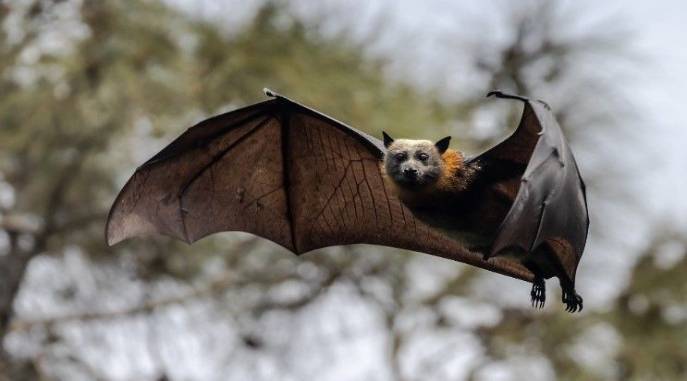

Rabies and Disease Transmission
Bats are high-risk rabies carriers in Ontario. While only 0.5% of bats actually carry rabies, the consequences of exposure are fatal without immediate medical treatment. Unlike larger animals, bat bites can be painless and go unnoticed—victims may not realize they’ve been exposed.
Toronto Public Health requires rabies post-exposure prophylaxis for anyone who has direct contact with a bat. This includes waking up to find a bat in your bedroom, as you cannot confirm whether contact occurred while sleeping. Children and sleeping adults face a particularly high risk from undetected bat encounters.
Beyond rabies, bats carry histoplasmosis—a respiratory disease caused by fungal spores growing in bat guano. When dried droppings are disturbed, microscopic spores become airborne. Inhaling these spores causes flu-like symptoms, fever, chest pain, and severe respiratory problems. Individuals with compromised immune systems face life-threatening complications from histoplasmosis exposure.
Guano Accumulation and Structural Damage
Bat colonies produce massive amounts of droppings. A single bat deposits 20–30 droppings daily. A colony of 50 bats generates over 1,000 droppings per day—creating substantial accumulation over weeks and months.
Bat guano is highly corrosive. The acidic waste deteriorates wood, drywall, insulation, and metal surfaces. Large accumulations create staining on ceilings and walls. The weight of accumulated guano can cause ceiling collapse in severe infestations.
The ammonia odor from bat urine and guano permeates living spaces through ventilation systems. This pungent smell is difficult to eliminate without professional decontamination. Guano also attracts secondary pest infestations, including carpet beetles, mites, and bat bugs—parasites similar to bed bugs.
 Legal Protection Status
 Legal Protection Status
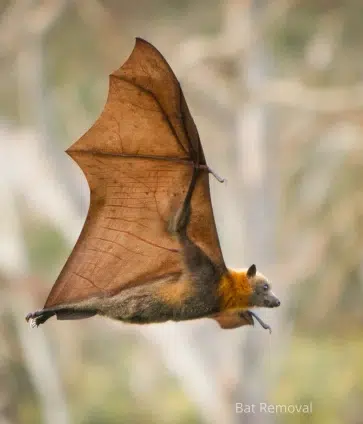
All Ontario bat species are protected under provincial and federal wildlife laws. The Endangered Species Act and Fish and Wildlife Conservation Act make it illegal to harm, harass, or kill bats. Violations result in fines up to $10,000 for individuals and $100,000 for corporations.
These protections extend to maternity season restrictions. From May 1st through August 31st, exclusion work is prohibited when flightless baby bats are present. This legal requirement protects helpless pups who cannot leave roosts with adult bats.
Our bat removal specialists understand these complex regulations. We time all exclusion work to comply with Ontario wildlife protection laws while effectively solving your bat problem.
Discovered bats in your attic? Wildlife Removal Toronto provides free inspections and same-day service throughout the GTA.
Call us now to protect your family from rabies exposure and schedule your comprehensive bat removal consultation today.
Our Professional Bat Removal Process
As Toronto’s trusted bat control experts, we’ve successfully resolved thousands of bat infestations across the GTA. Our systematic approach ensures humane treatment of protected species while delivering permanent solutions for your property.
Our certified wildlife technicians begin with thorough roof and attic inspections. We identify all active entry points and assess colony size. Bats leave distinctive signs, including:
- Rub marks where bats squeeze through entry points—dark oily stains from repeated contact
- Guano accumulation beneath roosting areas with a strong ammonia odor
- Audible squeaking and scratching sounds at dawn and dusk
- Visual sightings of bats entering or exiting at twilight
We determine which bat species are present and whether babies are in the colony. This information is critical for timing exclusion work legally and humanely. Our technicians document all findings and explain exactly where bats are roosting and how they’re accessing your attic.
We install specialized one-way exclusion devices at all active bat entry points. These devices allow bats to exit naturally during nightly feeding flights but prevent re-entry. This humane approach works with bat behavior—they leave each evening to hunt insects and cannot return through the one-way system.
Exclusion devices remain in place for 3–7 days to ensure all bats have vacated the roost. During this period, bats attempt to find alternative entry points. Our comprehensive sealing of secondary openings prevents access through other gaps.
This method eliminates the need for direct handling of bats, protecting both our technicians and the animals. No bats are harmed, trapped, or killed during our removal process. The colony simply relocates to a suitable alternative habitat—typically within a few miles of your property.
Once all bats have been excluded, we permanently seal every identified entry point. Our team uses professional-grade materials designed to withstand Toronto’s harsh weather and prevent future wildlife intrusion:
- Heavy-gauge galvanized steel screening over vents and lovers
- Expandable foam sealant for small gaps and cracks
- Sheet metal flashing for larger openings
- Chimney caps with bat-proof screening
- Reinforced fascia and soffit repair work
We seal openings as small as 3/8 inch—the minimum size bats need to enter structures. This comprehensive exclusion ensures bats and other wildlife cannot re-enter through original or alternative access points.
All our exclusion work comes with a 2-year warranty. If bats breach our sealed entry points, we return to fix the problem at no additional charge.
Bat infestations leave behind toxic waste requiring specialized cleanup. Our technicians wear full respiratory protection and protective equipment when handling contaminated insulation and guano.
We remove all soiled insulation and accumulated droppings from your attic. Contaminated materials are bagged and disposed of in accordance with Ontario environmental regulations. We HEPA-vacuum all surfaces to eliminate residual droppings and reduce airborne spore risks.
After removal, we apply professional-grade antimicrobial treatments that kill histoplasmosis spores and eliminate odors. This decontamination process makes your attic safe for future use and prevents lingering health hazards.
If insulation replacement is needed, we can install new materials to restore your attic’s energy efficiency and comfort.
Why DIY Bat Removal Is Dangerous
Many Toronto homeowners attempt to remove bats themselves, creating serious risks. Direct contact with bats exponentially increases the risk of rabies exposure. Even when wearing gloves, you can be bitten through the fabric without realizing it.
Disturbing guano without proper respiratory protection causes histoplasmosis infection. The fungal spores become airborne when you walk through contaminated areas or move materials. Symptoms may not appear for weeks after exposure, delaying critical medical treatment.
Amateur exclusion attempts often trap bats inside attics. Blocking entry points without confirming all bats have left causes animals to die inside wall cavities and inaccessible spaces. Dead bats create horrible odors and attract insect infestations.
Working on roofs and in attics creates serious fall risks. Professional wildlife technicians have proper safety equipment, training, and insurance. We eliminate the physical dangers homeowners face when attempting this work themselves.
Most importantly, improper bat removal violates Ontario wildlife protection laws. Harming endangered Little Brown Bats results in substantial fines. Our licensed specialists ensure all work complies with provincial and federal regulations.


Frequently Asked Questions About Skunk Removal in Toronto
1.How much should it cost to get rid of bats?
Professional bat removal in Toronto typically costs $400-$800 for residential properties, depending on colony size, entry-point complexity, and the required exclusion work. A standard removal includes a comprehensive inspection, one-way door installation, complete entry-point sealing, and warranty protection. Guano cleanup and insulation replacement add $300-$600 to the total cost, depending on the severity of contamination. While DIY attempts may seem cheaper, improper exclusion often fails, requiring professional services anyway—ultimately costing more while risking rabies exposure and legal violations for harming protected species.
2. What is the easiest way to get rid of bats?
The most effective bat removal method is a professional one-way door exclusion performed by licensed wildlife control specialists. This humane approach allows bats to exit naturally during nightly feeding flights, while preventing re-entry through specialized devices. DIY methods such as ultrasonic repellents, mothballs, and bright lights are completely ineffective—bats quickly adapt and ignore them. Attempting to seal entry points without proper exclusion traps keeps bats inside, violates Ontario wildlife laws, and creates dead animal problems. Professional removal ensures legal compliance, permanent results, and zero risk of rabies exposure from direct contact with bats.
3. Is it safe to sleep in a house with bats?
No, sleeping in a home with bats is unsafe and requires immediate professional attention. Toronto Public Health mandates rabies post-exposure treatment for anyone who wakes to find a bat in their bedroom, as painless bites may occur undetected during sleep. Children, the elderly, and sleeping adults face a particularly high risk of unnoticed bat contact. Additionally, breathing air contaminated with histoplasmosis spores from bat guano causes serious respiratory illness. Bat infestations also attract parasitic bat bugs that bite humans at night. Temporary relocation isn’t necessary for attic infestations, but bats in living spaces require emergency removal and rabies risk assessment.
4. When can you remove bats in Ontario?
Bat removal in Ontario is legally permitted from September 1st through April 30th when all bats are mobile or hibernating. From May 1st through August 31st, exclusion work is prohibited during maternity season, when flightless baby bats depend entirely on mothers for survival. Removing adults during this period causes helpless pups to die from starvation and dehydration, violating Ontario’s Endangered Species Act, with fines reaching $10,000. Fall (September-October) is the ideal removal window—young bats have achieved flight capability, the weather remains mild, and colonies actively seek hibernation sites. Emergencies with direct human contact may qualify for special permits through the Ontario Ministry of Natural Resources.

At Wildlife Removal Toronto, we strive to provide exceptional service every time. Customer satisfaction is our highest priority, so if you ever have any concerns with our service, we will return to address the specific issue at no charge until you are completely satisfied.
Bats removal near me
When you’re in need of bat removal near me, our Toronto team is here to help. We provide humane, efficient removal solutions for raccoons, squirrels, and more, ensuring your property stays safe and protected.
Here’s where you’ll find us: Toronto, Mississauga, Oakville, Etobicoke, Scarborough, Pickering, Ajax, Markham, Richmond Hill, North York, Vaughan, Thornhill and Brampton. If you’re nearby, give us a shout!
- Contact Us: (647) 768-8057
- Email: info@wildliferemovaltoronto.ca
- Address: 2929 Bathurst St, York, ON M6B 3B1
We are specialists in controlling all wildlife in Toronto and GTA
We are specialists in controlling all wildlife in Toronto and GTA
WE ARE A PROUD MEMBER OF THE FOLLOWING TRADE ORGANIZATIONS


