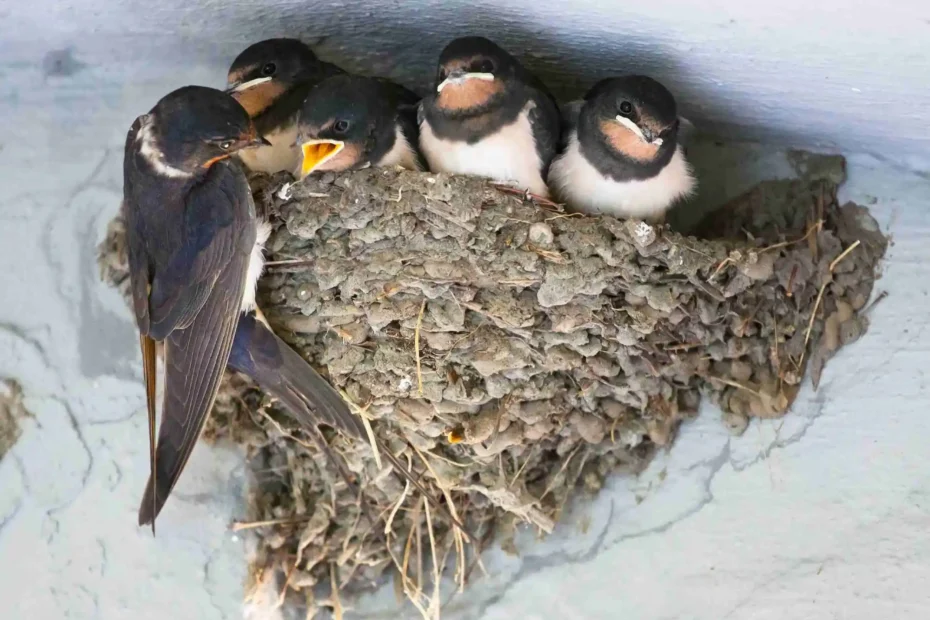
April marks the beginning of nesting season across the Greater Toronto Area, when thousands of birds return from southern migrations and local species emerge from winter dormancy to establish breeding territories. Toronto homeowners from Scarborough to Mississauga face an annual challenge as birds seek protected nesting sites in roof vents, eaves, chimneys, and other architectural features that provide ideal shelter for raising young.
Bird nesting activity peaks between April and June throughout the GTA, with over 30 common species actively seeking nesting locations around residential properties. While these birds play important ecological roles, nesting in inappropriate locations can create significant problems, including blocked ventilation systems, fire hazards, structural damage, and health concerns from accumulated droppings and parasites.
Why Birds Choose Toronto Homes for Nesting
Urban Advantages for Bird Populations
Toronto’s urban environment provides birds with numerous advantages, making residential properties highly attractive nesting locations. Consistent food sources from bird feeders, garbage areas, and landscaping create reliable feeding territories within short distances of potential nesting sites.
Protection from predators is another significant factor that draws birds to residential areas. Urban environments typically have fewer natural predators, such as hawks and owls, while human activity deters ground-based threats, such as cats and raccoons, from accessing elevated nesting areas.
Year-round shelter availability makes Toronto neighborhoods particularly appealing compared to natural woodland areas. Heated buildings provide warmth during cold spring nights, while architectural features protect against wind and precipitation that can destroy nests in exposed natural locations.
Architectural Features That Attract Birds
Roof vents represent the most common nesting target throughout North York, Etobicoke, and other GTA municipalities. These structures provide enclosed spaces with controlled access points that perfectly mimic natural tree cavities preferred by many bird species.
Common nesting locations include:
- Bathroom and kitchen exhaust vents
- Dryer vents with loose or missing covers
- Attic vents and soffit openings
- Chimney tops and flue openings
- Decorative architectural elements
- Porch lights and outdoor fixtures
Eaves and gutters provide additional nesting opportunities, particularly for larger bird species like robins and cardinals. Properties in Vaughan and Richmond Hill with extensive eave systems often experience multiple nesting attempts throughout the breeding season.
Common Bird Species Causing Nesting Problems in the GTA

House Sparrows and Starlings
House sparrows and European starlings represent the most problematic nesting birds throughout Toronto-area properties. These non-native species show little fear of human activity and aggressively defend nesting sites once established.
Sparrow nesting behaviors:
- Build large, messy nests that block ventilation
- Nest in colonies, creating multiple simultaneous problems
- Return to the same locations year after year
- Extremely difficult to deter once established
Starling characteristics make them particularly challenging for GTA homeowners. These birds can squeeze through openings as small as 1.5 inches, making vent protection critical for prevention efforts.
Pigeons and Urban Adapters
Pigeons create unique challenges throughout downtown Toronto and surrounding municipalities due to their year-round breeding habits and tendency to establish permanent roosts rather than seasonal nests.
Pigeon problems include:
- Acidic droppings that damage building materials
- Potential disease transmission through accumulated waste
- Persistent nesting attempts in challenging locations
- Large colony establishment that attracts additional birds
Prevention strategies for pigeons differ significantly from those for seasonal nesters, requiring comprehensive exclusion systems rather than temporary deterrents.
Timing Your Prevention Efforts
Critical Prevention Windows
Early April is the optimal time for bird-nesting prevention throughout the Greater Toronto Area. Most migrating species return during the first two weeks of April, while resident birds begin territorial establishment around this time.
Prevention timing guidelines:
- Complete prevention work before mid-April
- Inspect and repair potential nesting sites in March
- Install protection systems during the late winter months
- Address the previous year’s nesting damage before new activity begins
Legal considerations require careful timing of prevention efforts. Ontario’s Migratory Birds Act protects active nests, making removal illegal once eggs or young are present. Prevention must occur before nesting begins to remain compliant with wildlife protection regulations.
Seasonal Activity Patterns
Spring migration timing varies slightly across GTA regions due to microclimatic differences and proximity to water bodies. Properties near Lake Ontario in Mississauga and southern Etobicoke typically see earlier bird activity compared to inland areas like Vaughan and northern York Region.
Peak nesting periods occur:
- Early nesters (March-April): Crows, hawks, owls
- Primary season (April-June): Most songbird species
- Late nesters (June-July): Goldfinches, cedar waxwings
- Multiple broods (April-August): Robins, house sparrows
Understanding these patterns helps Thornhill and Scarborough homeowners plan prevention activities during optimal windows when intervention remains legal and effective.
Effective Bird Nesting Prevention Methods
Vent Protection Systems
Professional vent covers provide the most effective long-term solution for preventing bird nesting in roof ventilation systems. These specialized covers maintain proper airflow while creating physical barriers that prevent birds from accessing the area.
Quality vent protection features:
- Galvanized steel construction resistant to weather and tampering
- Proper sizing that maintains ventilation efficiency
- Secure mounting systems that withstand wind loads
- Screening that excludes birds while allowing airflow
DIY vent covers available at hardware stores often fail within one season due to inadequate materials and improper installation. Professional installation ensures covers remain secure throughout multiple nesting seasons while maintaining building code compliance.
Exclusion and Deterrent Strategies
Physical exclusion represents the most reliable method for preventing nesting in various architectural features throughout GTA properties.
Effective exclusion methods:
- Bird netting for large areas like eaves and soffits
- Spike strips for ledges and horizontal surfaces
- Wire barriers for chimney tops and vent openings
- Slope modifications that eliminate flat nesting surfaces
Visual and audio deterrents provide temporary solutions but require consistent maintenance and repositioning to remain effective. Properties in Brampton and Markham often benefit from combining multiple deterrent types for comprehensive coverage.
Habitat modification removes attraction factors that draw birds to specific areas:
- Remove food sources like accessible bird feeders
- Eliminate water collection areas
- Trim vegetation that provides nesting materials
- Address insect populations that attract insectivorous birds
Professional vs. DIY Prevention Approaches
When to Choose Professional Services
Complex prevention projects often require professional expertise to ensure effective, long-term results. Multi-story properties, extensive roof systems, and previous nesting problems typically benefit from professional assessment and installation.
Professional services include:
- Comprehensive site assessment identifying all vulnerable areas
- Species-specific prevention strategies based on local bird populations
- Professional-grade materials designed for Canadian weather conditions
- Installation warranties and follow-up maintenance services
Bird removal specialists understand legal requirements, seasonal timing restrictions, and effective prevention methods that address specific challenges facing different GTA municipalities.
Effective DIY Prevention Options
Simple prevention measures can effectively address minor nesting risks when implemented properly and maintained consistently throughout nesting season.
Homeowner-friendly options:
- Basic vent covers for single-story applications
- Reflective tape and visual deterrents for immediate protection
- Garden maintenance that reduces nesting habitat
- Regular inspection and early intervention protocols
Maintenance requirements for DIY solutions often exceed homeowner expectations. Seasonal inspection, cleaning, and replacement of deterrent materials requires consistent attention throughout the nesting season.
Cost considerations favor professional installation for comprehensive coverage, as high-quality materials and proper installation techniques deliver greater long-term value than repeated DIY attempts.
Legal Considerations and Wildlife Protection
Understanding Ontario Bird Protection Laws
Federal and provincial regulations protect most bird species throughout Toronto and the GTA, making knowledge of legal requirements essential for property owners addressing nesting issues.
Key legal requirements:
- Active nests cannot be disturbed once eggs or young are present
- Removal timing must occur outside breeding seasons
- Some species receive additional protection under endangered species legislation
- Property owners remain liable for violations regardless of intent
Migratory Birds Act violations carry significant penalties, including fines up to $25,000 and potential criminal charges for repeat offenses.
Working Within Legal Frameworks
Professional wildlife control services understand complex legal requirements and maintain current knowledge of regulatory changes affecting bird management throughout Ontario.
Legal compliance strategies:
- Prevention timing that avoids active nesting periods
- Species identification to ensure appropriate protection levels
- Documentation of prevention efforts for potential enforcement situations
- Coordination with municipal authorities when required
Emergency situations involving immediate health or safety risks may qualify for special permits that allow nest removal during the breeding season, but require coordination with Ministry of Natural Resources and Forestry officials.
Maintenance and Long-Term Prevention
Seasonal Inspection Schedules
Regular maintenance ensures that preventive systems remain effective across multiple nesting seasons and helps identify emerging problems before they require emergency intervention.
Recommended inspection timing:
- March: Pre-season inspection and system maintenance
- June: Mid-season assessment and adjustment
- September: Post-season damage assessment and repair
- November: Winter preparation and system securing
Professional maintenance services often provide cost-effective solutions for comprehensive preventive systems, particularly for properties with complex roofing systems or prior nesting issues.
Addressing Prevention System Failures
System failures typically result from inadequate initial installation, weather damage, or determined bird behavior that overcomes standard deterrent methods.
Common failure points:
- Loose or damaged vent covers allow partial access
- Deteriorated netting that creates new entry points
- Accumulated debris that provides nesting platforms
- Seasonal settling that creates gaps in exclusion systems
Prompt repairs prevent minor system failures from becoming major nesting problems that require more extensive intervention and higher costs.
Frequently Asked Questions
When is the best time to install bird nesting prevention in Toronto?
March is the optimal time for installing prevention throughout the GTA. This allows completion before migrating birds return while avoiding legal restrictions on disturbing active nests. Early installation also ensures systems are tested and adjusted before peak nesting activity begins in April.
What are the most effective vent covers for Toronto’s climate?
Galvanized steel vent covers with proper ventilation perform best in Toronto’s variable weather conditions. Avoid plastic covers that become brittle in cold weather or basic screening that birds can remove. Professional-grade covers maintain effectiveness for 5-10 years with minimal maintenance.
Can I remove bird nests from my property myself?
Only inactive nests can be legally removed by property owners in Ontario. Active nests containing eggs or young birds are legally protected and require professional assessment. <u>Professional bird removal services</u> ensure compliance with federal and provincial regulations while providing effective solutions.
How much does professional bird nesting prevention cost in the GTA?
Prevention costs vary significantly based on property size and complexity, typically ranging from $200-800 for basic vent protection to $1,500-3,000 for comprehensive exclusion systems. Professional prevention costs less than repeated emergency interventions and potential structural repairs from nesting damage.
Conclusion
Preventing bird nesting issues around your Toronto home requires early action, appropriate materials, and an understanding of local bird behavior patterns that vary across GTA municipalities. April’s arrival signals the start of peak nesting season, making immediate preventive efforts essential to avoid months of potential problems.
Effective prevention strategies combine proper timing, quality materials, and professional installation techniques that address species-specific behaviors while complying with wildlife protection regulations. Property owners who invest in comprehensive prevention typically avoid the costs, stress, and legal complications associated with removing established nesting populations.
Wildlife Removal Toronto provides professional bird nesting prevention services throughout the Greater Toronto Area, helping homeowners protect their properties while respecting Ontario’s wildlife protection standards. Our experienced team understands the unique challenges facing different GTA municipalities and provides customized prevention solutions that deliver long-term results.
Don’t wait until birds establish nesting colonies around your property – contact our prevention specialists at (647) 768-8057 for a comprehensive assessment and professional installation to keep your home protected throughout the nesting season and beyond.