
Finding bats in the attic raises an immediate question for most Toronto homeowners: is it legal to remove bats from your home? The short answer is yes, but only when it is done the right way and at the right time of year.
Ontario has some of the strongest bat protections in Canada, and getting it wrong can mean fines and a colony that never really leaves. This guide explains what the law allows, why killing bats is off the table and what to do if one gets into your living space.

Which Bats Live in Toronto Homes?
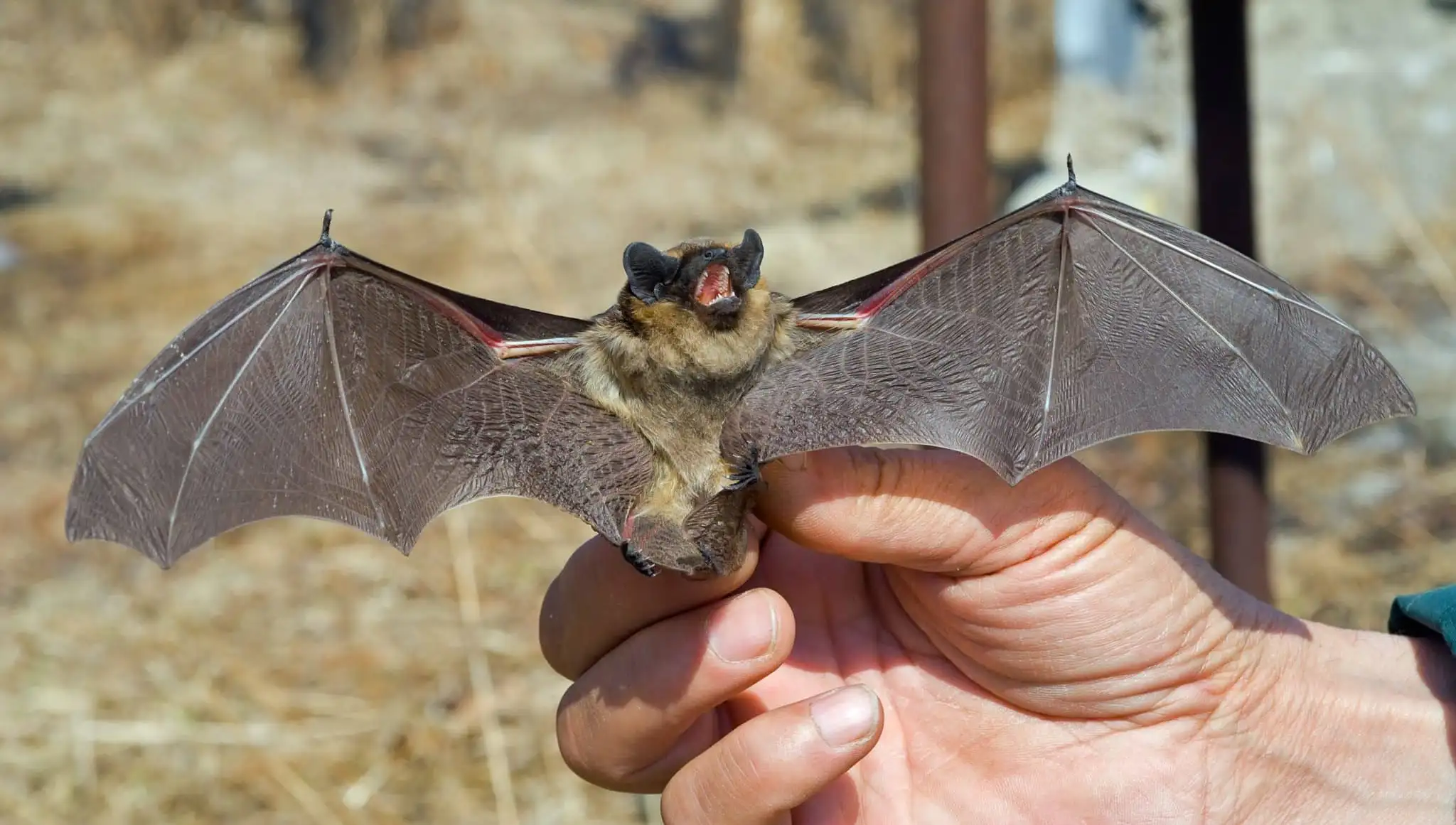
The bat you are most likely to find in a GTA attic is the big brown bat, which roosts in roof spaces, walls and soffits and can stay through the winter. The little brown myotis also uses buildings, especially for summer maternity colonies.
Bats are drawn to homes near water and tree cover, where insects are plentiful. Properties close to the Humber River, the Don Valley, Rouge National Urban Park and the Scarborough Bluffs see regular bat activity in summer.
Signs You Have Bats in the Attic
Most homeowners notice bats at dusk, when they stream out of a gap near the roofline, soffit or chimney. Others hear faint scratching or squeaking in the walls or ceiling in the evening and early morning.
- Small dark droppings that crumble into shiny fragments, often piled below an entry point
- Brown greasy stains around gaps in soffits, siding or vents
- A musty, ammonia-like odour in the attic
- A bat flying inside the house, often in late summer
Are Bats a Protected Species in Ontario?
Several Ontario bats, including the little brown myotis, northern myotis and tri-coloured bat, are listed as endangered under Ontario’s Endangered Species Act, 2007 and the federal Species at Risk Act. Harming or harassing an endangered species, or damaging its habitat, can lead to significant fines.
Populations have dropped sharply since white-nose syndrome, a fungal disease, reached Ontario around 2010. A single colony eats enormous numbers of insects every night, so losing bats affects gardens, farms and local ecosystems.
Is It Illegal to Kill a Bat?
In practice, yes. Even though the big brown bat is not listed as endangered, homeowners cannot reliably tell one species from another in a dark attic, and killing a protected bat by mistake carries real legal risk.
Poisoning bats, sealing them inside or using glue traps is never a safe option. Bats trapped inside a wall or attic die there, create strong odours and often find their way into the living space while searching for a way out.

Can You Legally Remove Bats From Your Home?
Yes. Humane exclusion is legal and is the accepted method in Ontario, using one-way devices over active entry points so bats can leave at night but cannot get back in.
Timing is the key legal and ethical issue. Exclusions are generally avoided from about June to mid-August, when flightless pups are in the roost, and in winter, when bats may be hibernating inside the home.
What to Do If You Find a Bat in the House
Stay calm, keep children and pets out of the room and close interior doors so the bat is confined. If nobody has had contact with it, open a window, turn off the lights and give it time to fly out on its own.
If the bat was found in a room where someone was sleeping, or anyone may have touched it, do not release it. Contact Toronto Public Health or your local health unit about rabies risk, and have a professional safely contain the bat so it can be tested.
Why Bat Removal Needs a Licensed Professional
Bat work happens at roof height, around tight gaps and often in attics full of guano that can carry histoplasmosis spores. A professional inspection finds every entry point, and some are barely wider than a centimetre.
Our bat exclusion and colony removal work uses one-way exclusion devices, seals the home once the colony is out and schedules the work around Ontario’s maternity season. If guano has built up, our guano cleanup and attic decontamination team removes it safely.

How to Choose a Bat Removal Company
Look for a company that uses exclusion rather than trapping or killing, explains the timing of the work and seals the entire home rather than a single hole. Ask whether the price includes proofing and a follow-up check.
Avoid anyone who offers to remove bats in mid-summer without asking about pups, or who recommends sprays and ultrasonic devices. These approaches are illegal, ineffective or both.
Frequently Asked Questions
Is it legal to remove a bat colony from your home?
Yes, as long as it is done through humane exclusion and outside the maternity season. Bats must be allowed to leave on their own through one-way devices. Sealing them inside or killing them is not an acceptable option.
Why is it illegal to kill a bat?
Several Ontario bat species are endangered and protected under provincial and federal law. Homeowners usually cannot tell protected species apart from common ones. Killing any bat puts you at risk of fines and harms a declining population.
Can I remove a single bat from my house myself?
If no one has had contact with the bat, you can usually let it fly out an open window. Never handle a bat with bare hands, because bats can carry rabies. If someone may have been bitten or was asleep in the room, contact public health first.
When is the best time to exclude bats?
In Ontario, the best windows are spring before pups are born and late summer once they can fly. Most professionals avoid exclusions from about June to mid-August. Winter work is also avoided when bats may be hibernating inside.
Get Help With Bats in Your Home
Removing bats is legal in Ontario when it is humane and well timed. Doing it yourself risks fines, rabies exposure and a colony that simply moves deeper into the house.
Wildlife Removal Toronto provides licensed, humane bat exclusion across the GTA through our team of animal control specialists. Call (647) 768-8057 to book an inspection.