
Toronto homeowners share their city with raccoons, squirrels, skunks, and bats. Most of the time, these animals stay out of sight. But when they find their way into your attic, crawl space, or yard, the health risks become real.
Wild animals can carry pathogens that spread to humans and pets through contact, droppings, urine, and bites. You do not need to handle an animal directly to be at risk. Understanding what diseases local wildlife carry and how exposure happens is the first step to protecting your family.
Wildlife Common in Toronto Homes
The Greater Toronto Area provides ideal conditions for several wildlife species. Mature tree canopy, ravines, the Lake Ontario shoreline, and abundant residential food sources draw animals into neighborhoods year-round.
Raccoons are the most frequent intruder, followed by squirrels, skunks, and bats. Each species carries its own set of health concerns. Knowing which animal you are dealing with matters when assessing risk.
Diseases Carried by Toronto Wildlife
Raccoon Roundworm (Baylisascaris procyonis)
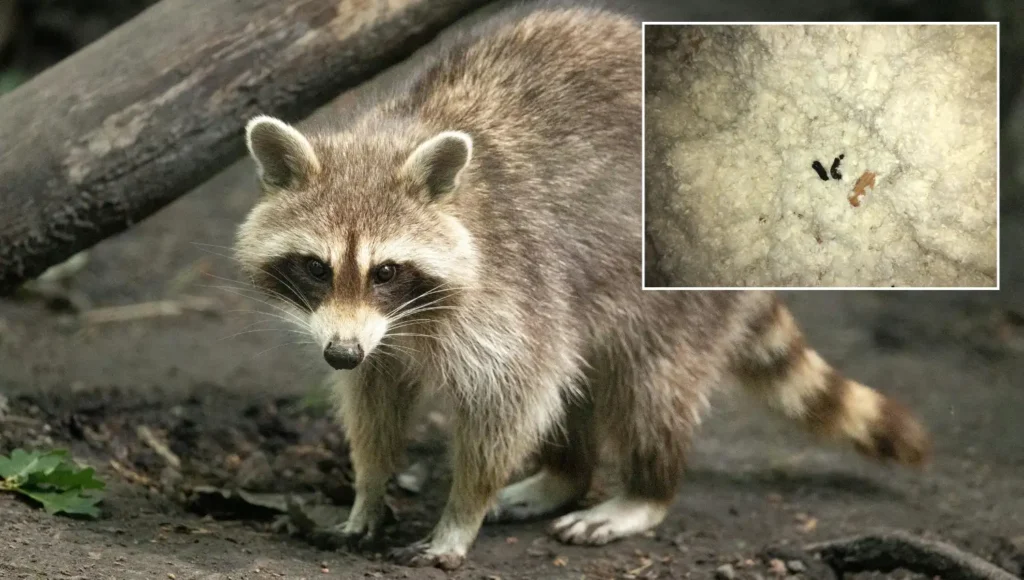
Raccoons are the primary host of Baylisascaris procyonis, a parasitic roundworm that poses serious risks to humans. The eggs are shed through raccoon feces and can survive in soil for years. Properties with active raccoon activity in Toronto are at elevated risk, particularly when animals have established latrines in attics or crawl spaces.
Exposure happens through accidental ingestion of contaminated soil or surfaces. Children playing outdoors and pets are particularly vulnerable. Infection can cause neurological damage and, in severe cases, is fatal.
Leptospirosis
Leptospirosis is a bacterial infection spread through the urine of infected animals, particularly raccoons and skunks. The bacteria enter the body through cuts in the skin, eyes, or mucous membranes.
In Toronto, flooding and wet conditions in spring and fall increase the risk of contaminated water making contact with humans or pets. Dogs that spend time outdoors are at particular risk. If you have noticed skunk activity around your property, leptospirosis is one of the key reasons to address it promptly.
Rabies
Rabies remains a concern in Ontario, primarily through bat exposure. While large-scale raccoon rabies has been controlled in the province, bats are the most common source of human rabies risk in Canada.
Bat bites are often small and can go unnoticed during sleep. If a bat is found in a room where someone was sleeping, medical evaluation is recommended. Any animal that bites or scratches without provocation should be treated as a potential rabies risk.
Histoplasmosis
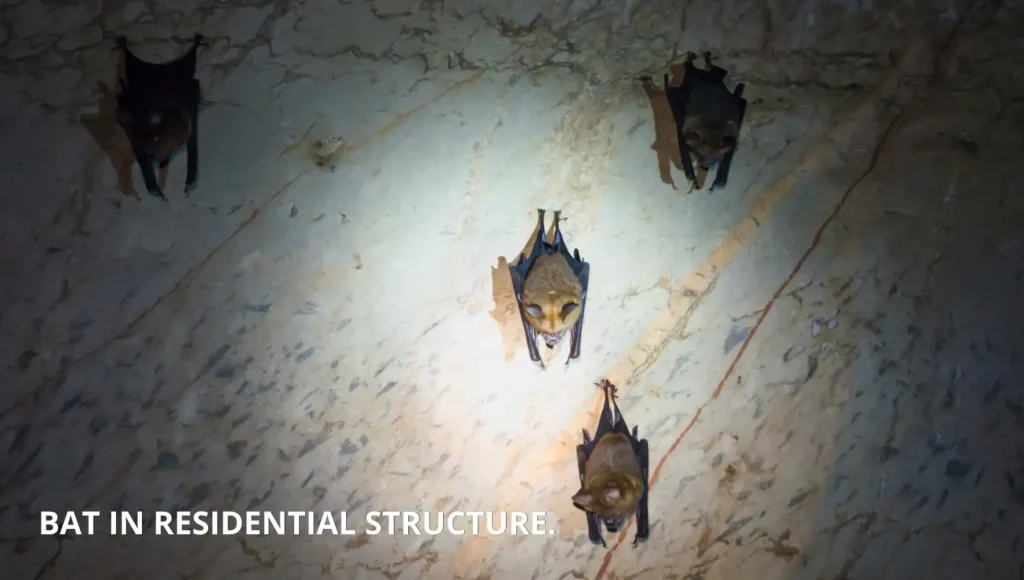
Histoplasmosis is a fungal infection caused by Histoplasma capsulatum, which grows in soil enriched with bird and bat droppings. Bat colonies in attics create conditions where histoplasmosis risk is real. When droppings dry out and are disturbed, fungal spores become airborne.
Homeowners who attempt to clean bat droppings without proper respiratory protection risk inhaling spores. The infection can cause serious respiratory illness, particularly in people with weakened immune systems.
Salmonellosis
Salmonella bacteria are commonly found in the droppings of birds and rodents. Squirrels and birds entering through roof vents or gaps in soffits can contaminate insulation and structural materials. Symptoms include severe gastrointestinal illness and, in vulnerable individuals, can require hospitalization.
How Toronto Homeowners Get Exposed
Direct contact with wildlife is not required for exposure to occur. Most disease transmission in residential settings happens indirectly.
Common exposure routes include contact with droppings, urine, or contaminated insulation in attics and crawl spaces. Pets that encounter wildlife outdoors can bring pathogens inside. Children playing in areas where raccoons have been active are at risk of roundworm exposure. Bats roosting in attics create ongoing airborne risk from accumulated droppings.
In many cases, homeowners are unaware that an animal has been living in their property until significant contamination has already occurred.
Why DIY Wildlife Removal Increases Your Risk
Attempting to handle or remove wildlife without proper training and equipment significantly increases health risks. Cornered animals bite and scratch. Disturbing nesting sites or droppings without respiratory protection creates airborne exposure to pathogens.
Raccoon latrine cleanup requires specific protocols to neutralize roundworm eggs. Standard cleaning products do not kill Baylisascaris eggs. Bat exclusion carried out incorrectly can leave animals trapped inside walls, creating additional contamination and odor problems. Learn more about the dangers of DIY wildlife removal before attempting any removal on your own.
Licensed wildlife technicians use personal protective equipment, follow Ontario Ministry of Natural Resources guidelines, and know how to contain contamination during removal and cleanup.
Professional Wildlife Removal Protects Your Family
Removing the animal is only part of the solution. Protecting your home from future entry and addressing contamination are equally important steps that professionals handle as part of a complete service.
A thorough attic cleaning and disinfecting service removes contaminated insulation and sanitizes affected areas, eliminating the ongoing health risk to your household. Sealing entry points with commercial-grade materials prevents re-entry and future infestations.
Wildlife Removal Toronto has been serving GTA homeowners since 2010. Our licensed technicians handle raccoon, squirrel, skunk, bat, and bird issues across Toronto and surrounding communities. Every job includes a 2-year warranty. Call (647) 768-8057 to schedule an inspection.

Frequently Asked Questions
Can raccoon droppings in my attic make my family sick?
Yes. Raccoon feces can contain Baylisascaris procyonis roundworm eggs, which are highly resistant and can remain infectious in soil and surfaces for years. Professional attic cleanup and sanitization is strongly recommended after a raccoon infestation.
Are bats in my attic a health risk even if I never see them?
Yes. Bat colonies accumulate droppings over time that can harbor Histoplasma fungal spores. A single bat found inside your living space also warrants medical consultation regarding rabies exposure, even without a visible bite.
How do I know if wildlife has been in my attic?
Common signs include scratching or movement sounds, droppings in the attic or near entry points, damaged insulation, staining around vents or soffits, and unusual odors. A professional inspection can confirm wildlife activity and assess the extent of any contamination.
What should I do if I find a wild animal in my home?
Do not attempt to handle or corner the animal. Keep pets and children away from the area. Contact a licensed wildlife removal company to assess the situation and remove the animal safely. If you or a family member has been bitten or scratched, seek medical attention promptly.