Wildlife encounters are a reality for Toronto homeowners. Raccoons investigate garbage bins, squirrels find gaps in soffits, skunks settle under decks, and bats roost in attics. When animals move into your property, knowing how to respond makes a significant difference in the outcome for both you and the animal.
Humane wildlife removal is not just an ethical choice. It is also the most effective long-term approach. Methods that respect animal behavior and biology produce lasting results. Quick fixes that ignore the root cause rarely do.
Common Wildlife Problems in Toronto Homes
Toronto’s urban landscape creates ideal conditions for wildlife. Mature trees, ravines, and green corridors throughout the city give animals easy access to residential neighborhoods. Most wildlife problems follow predictable seasonal patterns.
Spring is peak season for raccoon activity, as females seek protected spaces to raise young. Squirrels are active in both spring and fall, looking for winter shelter. Skunks become a nuisance in warmer months when they den under porches and sheds. Bats typically enter homes through small gaps in rooflines and can establish large colonies over time.
Understanding which animal you are dealing with and why it is on your property is the foundation of effective, humane removal.
Humane Removal Methods Professionals Use
Licensed wildlife technicians in Ontario follow methods designed to remove animals without causing unnecessary stress or harm. These techniques have been refined through years of field experience and compliance with provincial regulations.
One-Way Doors and Exclusion Devices
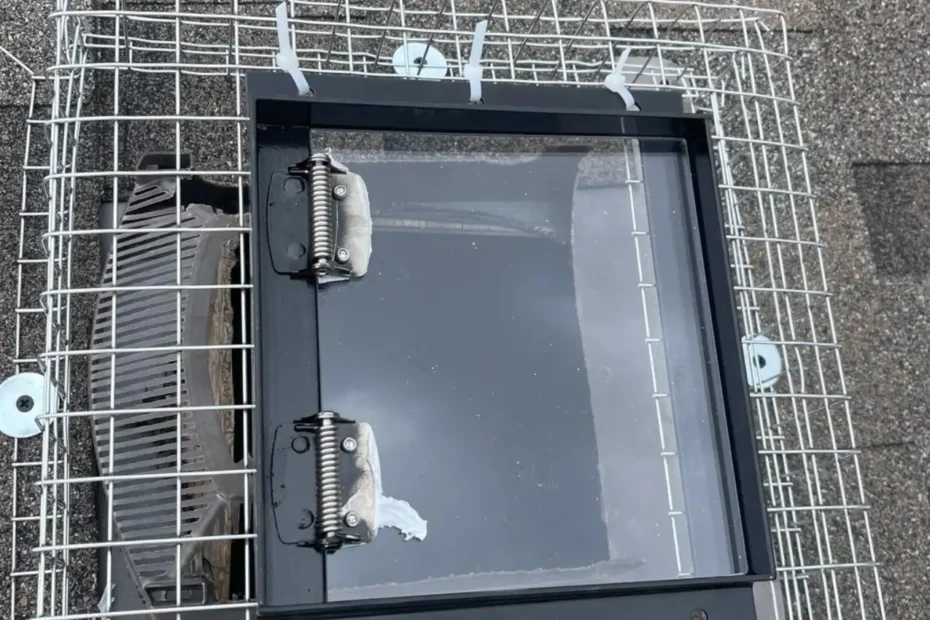
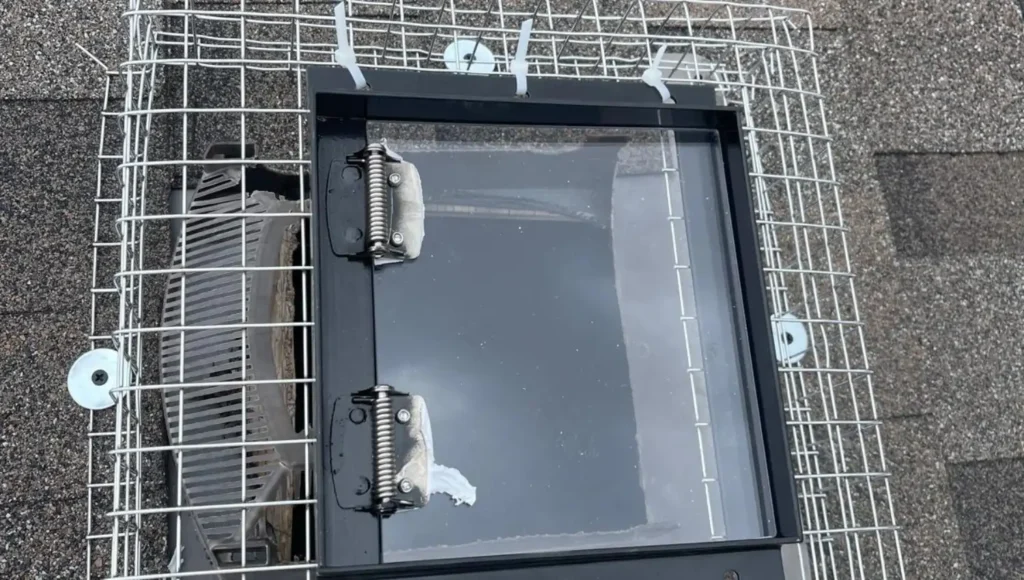
One-way doors are one of the most effective and humane tools in wildlife removal. The device is installed over the animal’s entry point, allowing it to exit but not re-enter. The animal leaves on its own terms, without trapping or stress.
This method is particularly effective for raccoons, squirrels, and skunks. The key is timing. During spring and early summer, technicians must confirm that no young animals are inside before installing a one-way door. Separating a mother from her young creates additional problems and is avoided by experienced professionals.
Live Trapping and Relocation
Live traps capture animals without injury and allow for safe relocation. In Ontario, regulations govern where animals can be released and how far from the capture site. Raccoons, for example, cannot be transported more than one kilometer under provincial guidelines.
Live trapping requires monitoring. A trap that is not checked regularly causes stress and can harm the animal. Professionals set traps strategically and check them consistently to minimize the time an animal spends confined.
Habitat Modification
Removing what attracts animals to your property in the first place is as important as the removal itself. Habitat modification includes securing garbage bins, removing accessible food sources, trimming branches that provide roof access, and installing deterrents around vulnerable areas.
This approach addresses the root cause rather than the symptom. A property that offers no food, shelter, or easy entry points is far less likely to experience repeated wildlife intrusions.
When to Call a Wildlife Removal Professional
Some situations are straightforward enough for homeowners to manage with deterrents and minor property adjustments. Others require professional intervention from the start.
Call a licensed professional when animals have entered your attic, walls, or crawl space. Interior infestations involve structural entry points that need proper sealing and often contamination that requires remediation. Attempting removal without addressing these factors leads to repeat problems.
Bat situations always warrant professional handling. Ontario’s bat species are provincially protected, and removal must follow specific seasonal restrictions. Similarly, skunk removal carries obvious risks for homeowners who attempt it without experience.
When young animals are involved, professional assessment is essential. Removing a mother without accounting for dependent young creates a secondary problem that is often harder to resolve than the original.
How to Prevent Wildlife from Returning
Prevention is the most cost-effective investment a Toronto homeowner can make after a wildlife incident. Once an animal has identified your property as a viable habitat, others will follow.
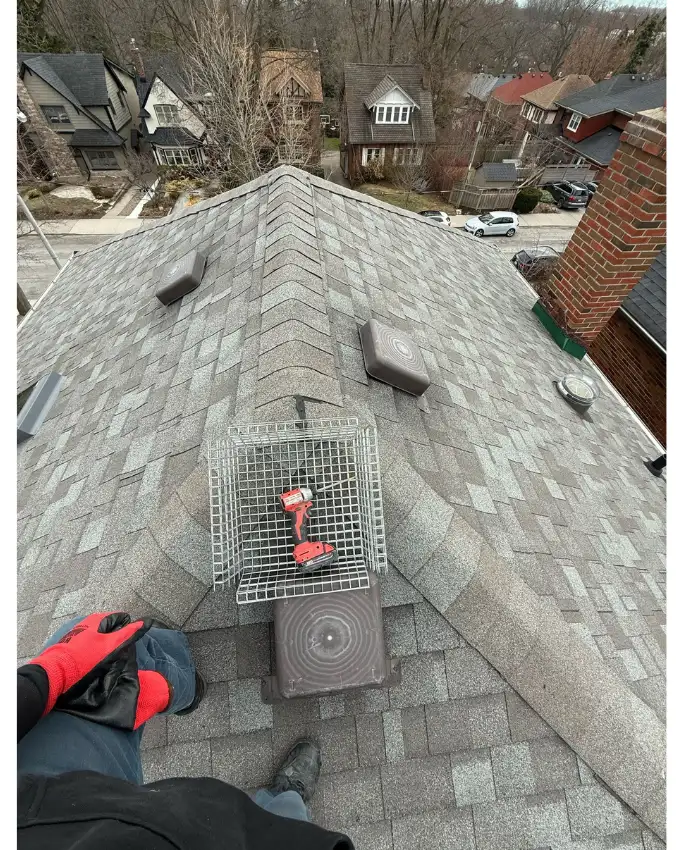
Sealing all potential entry points is the first priority. Roof vents, soffit gaps, chimney openings, and foundation cracks are common access points for raccoons, squirrels, and bats. Attic wildlife proofing with commercial-grade mesh and materials provides durable protection that animals cannot breach.
Ongoing maintenance matters as well. Inspect your roofline and exterior annually, particularly after winter. Freeze and thaw cycles create new gaps that wildlife exploit quickly in spring.
Wildlife Removal Toronto has been helping GTA homeowners resolve wildlife conflicts humanely since 2010. Our licensed technicians follow Ontario regulations, use proven exclusion methods, and back every job with a 2-year warranty.
If wildlife has found its way into your Toronto property, call (647) 768-8057 for a same-day inspection. We identify the problem, remove the animal humanely, and seal your home against future entry.
Frequently Asked Questions
Is it legal to relocate wildlife in Toronto?
Ontario regulations restrict how and where wildlife can be relocated. Raccoons, for example, cannot be transported more than one kilometer from the capture site. Licensed wildlife technicians are familiar with these requirements and ensure all removals comply with provincial law.
What is the most humane way to remove raccoons from an attic?
One-way exclusion doors are generally the most humane method. They allow the raccoon to leave on its own without trapping or stress. A professional inspection first confirms whether young are present, as the approach changes if a mother and litter are involved.
How long does humane wildlife removal take?
The timeline depends on the species and situation. One-way door exclusions typically take five to ten days to confirm the animal has vacated. Entry point sealing and cleanup follow. Most residential wildlife removals are resolved within two weeks from the initial inspection.
Can wildlife return after removal?
Without proper sealing of entry points, yes. Animals are creatures of habit and will return to familiar shelter sites. Comprehensive exclusion work after removal is the only reliable way to prevent re-entry. Our 2-year warranty covers any return through previously sealed entry points.